Investing in Hamilton County & Boone County: What the 2026 Market Tells Investors
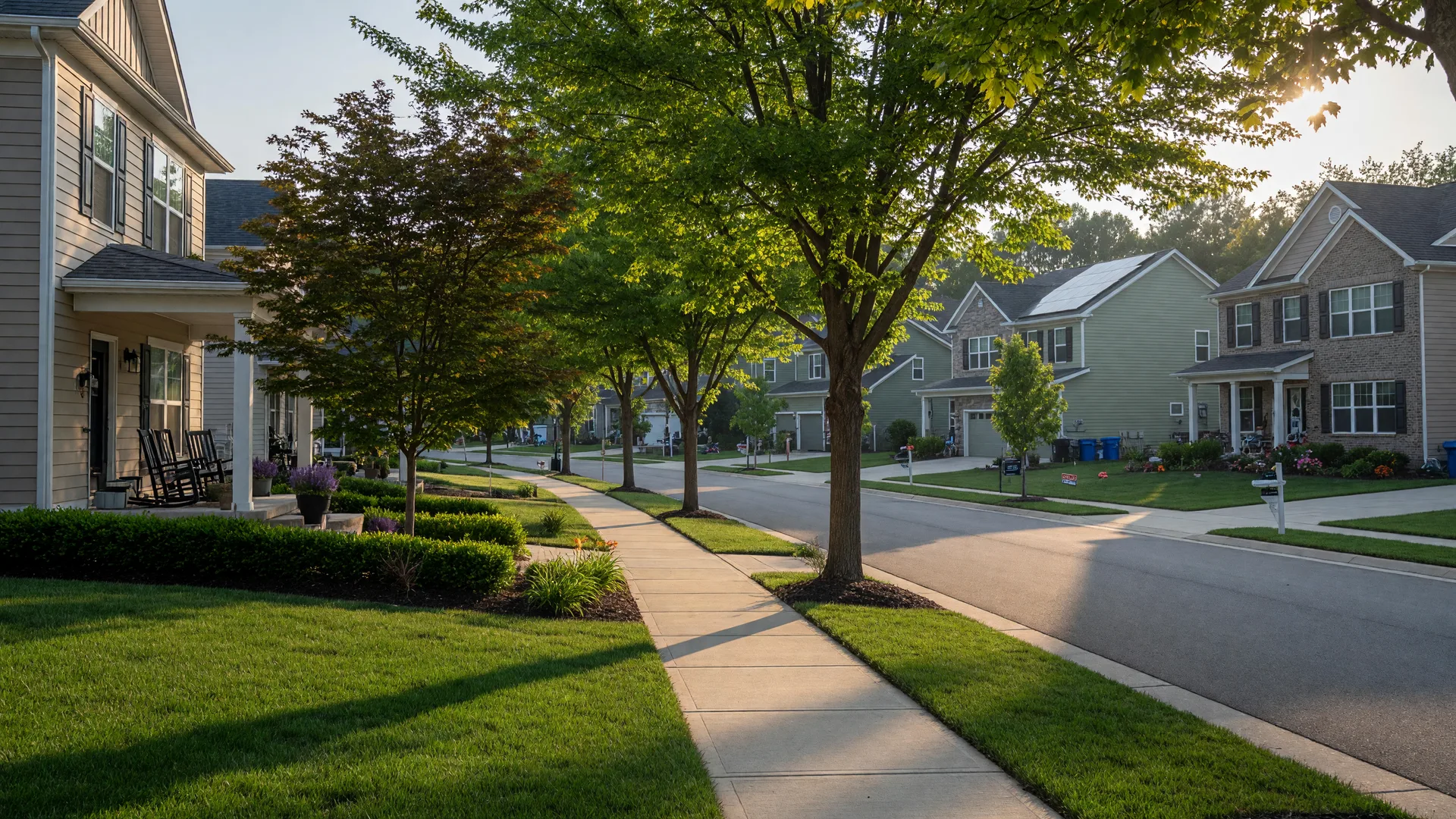
If you're thinking about adding a rental property to your portfolio or expanding your real estate investments, Hamilton County and Boone County deserve a close look. As someone who works with investors regularly, I've watched this area become one of the most compelling markets in the Indianapolis metro for long-term rental income and property appreciation. And in mid-2026, the fundamentals look as strong as ever.
Here is a clear, data-informed look at what the investment landscape looks like across the communities I serve — Carmel, Fishers, Noblesville, Westfield, Zionsville, and Whitestown — and what you should know if you're considering buying here.
Why Investors Are Looking at This Market
Several structural factors make Hamilton County and Boone County attractive for real estate investors. First, the job market is expanding. Hamilton County is projected to import approximately 2,000 more workers than it exports in 2026, representing a net shift of roughly 15,000 workers commuting into the county since 2015. That means a growing base of employed renters and buyers concentrated in one of Indiana's most desirable regions.
Major employment anchors include Merchants Bank and Merchants Capital (headquartered in Carmel and ranked among Central Indiana's largest workplaces for 2026), CNO Financial Group, Navient, and First Internet Bank in Fishers. In Noblesville, the 600-acre Innovation Mile master-planned site is actively attracting new companies and high-paying jobs. The Eli Lilly LEAP campus in Lebanon, just west of Boone County, continues to drive demand across the entire western corridor — including Zionsville and Whitestown.
Fishers projects 30% population growth and 42% job growth by 2040. Those numbers tell me this isn't a flash in the pan — it is sustained, long-term demand.
Property Taxes: A Predictable Cost for Investors
Indiana's constitutional property tax caps are one of the most investor-friendly features of this market. Non-homestead residential property (including rentals) is capped at 2% of assessed value. In practice, effective rates are even lower.
- Hamilton County has a median effective property tax rate of approximately 1.10% of assessed value.
- Boone County ranges from 0.80% to 1.12% depending on location.
For a $400,000 rental property in Hamilton County, that translates to roughly $4,400 per year in property taxes — a predictable, manageable carrying cost that compares favorably to many other Midwestern markets.
Rental Demand Is Strong Across Price Points
Monthly rental rates across these communities reflect healthy demand, particularly in the single-family and townhome segments that investors typically target.
- Carmel: Average monthly rent around $1,547
- Fishers: Ranges from approximately $1,587 to $2,275 depending on property type and location
- Noblesville: Around $1,572 on average
- Zionsville: Approximately $1,753
- Whitestown: Around $1,691
These rents support healthy cash flow on properties purchased at current market values, especially when you consider Indiana's relatively low cost of insurance and maintenance compared to coastal markets. Investors I work with typically target 8% to 12% cash-on-cash returns and 15% to 25% total ROI on their Hamilton County properties — and many are hitting those targets.
City-by-City: Where Different Strategies Shine
Carmel
With a median sale price around $550,000 and homes selling in roughly 18 days, Carmel commands a premium. But the rental demand is correspondingly strong, especially near the Arts & Design District, Midtown, and the Monon Trail corridor. This is a market for investors who want quality tenants and long-term appreciation. The city's 50th anniversary this year is a reminder of how far Carmel has come — and how well it has maintained its desirability over decades.
Fishers
Fishers offers a strong balance of price point and rental demand. With a median home price around $427,000 and an exceptional 98.89% sale-to-list ratio, the market here is efficient — well-priced properties attract qualified buyers quickly. The Nickel Plate District continues to draw young professionals and families, and the city's projected job growth makes it a smart bet for long-term rental occupancy.
Noblesville
At a median sale price around $400,000, Noblesville offers the most accessible entry point among Hamilton County's major cities. The Innovation Mile development and the new Gatewood Lakes community (1,100 acres with shoreline homes, trails, and a future shopping district) signal significant future appreciation potential. For investors looking for value with upside, Noblesville deserves serious attention.
Westfield
Westfield has seen the strongest year-over-year price appreciation at 17.4%, with a median sale price around $489,000. The $123 million Park & Poplar mixed-use development broke ground this summer, adding offices, retail, restaurants, apartments, and brownstones. Grand Park Sports Campus continues to draw national events, and the Ironstone development (1,700+ homes) will reshape the north side of the city over the next decade. This is a growth story that is still in its early chapters.
Zionsville
Zionsville commands average rents of roughly $1,753, reflecting its desirability as a high-quality-of-life community with a walkable village, strong schools, and equestrian character. The new Carpenter Nature Preserve adds to its appeal. Inventory is typically tighter here, which supports stable rental occupancy and steady appreciation.
Whitestown
Whitestown's position along the I-65 corridor, combined with average rents around $1,691, makes it an interesting option for investors focused on the Boone County growth story. The new Wally's Travel Center and continued residential development signal that this community is gaining momentum.
What Smart Investors Should Watch
A few factors are worth keeping an eye on. In March 2026, a new state law (House Bill 1210) banned local rental cap ordinances in Indiana, preventing cities like Carmel and Fishers from capping the number of investor-owned properties in certain neighborhoods. The debate around investor activity in residential markets isn't over, but the legislative landscape is now clearer for investors planning long-term holds.
Interest rates in the mid-to-upper 6% range mean that financing costs are higher than they were a few years ago, but they are within historical norms. And in markets like these — where demand is driven by real economic growth rather than speculation — patient investors who buy at the right price and hold for the long term tend to do very well.
How I Help Investors Make Confident Decisions
As an AI Certified Agent™, I use advanced data tools to analyze market trends, rental comparables, and appreciation forecasts for the specific neighborhoods my investor clients are considering. I combine that technology with 25 years of local experience and a network of inspectors, property managers, and lenders who understand the investment side of real estate.
I also hold the CREN (Certified Real Estate Negotiation Expert) credential, which helps in structuring offers that make sense for both sides of the table — especially important when you are competing with other investors for the same property. My goal is to help you see the full picture: what a property will cost to acquire, what it will likely rent for, what the carrying costs look like, and what the long-term appreciation potential might be.
Ready to Explore?
Whether you're an experienced investor looking to add to your portfolio or someone considering your first rental property, I'd welcome the chance to talk through the numbers and help you find the right opportunity. No pressure, no obligation — just a clear, honest conversation about what this market can offer.
Call or Text 317-777-9146