Did You Pull a Permit? What Hamilton County Sellers Need to Know
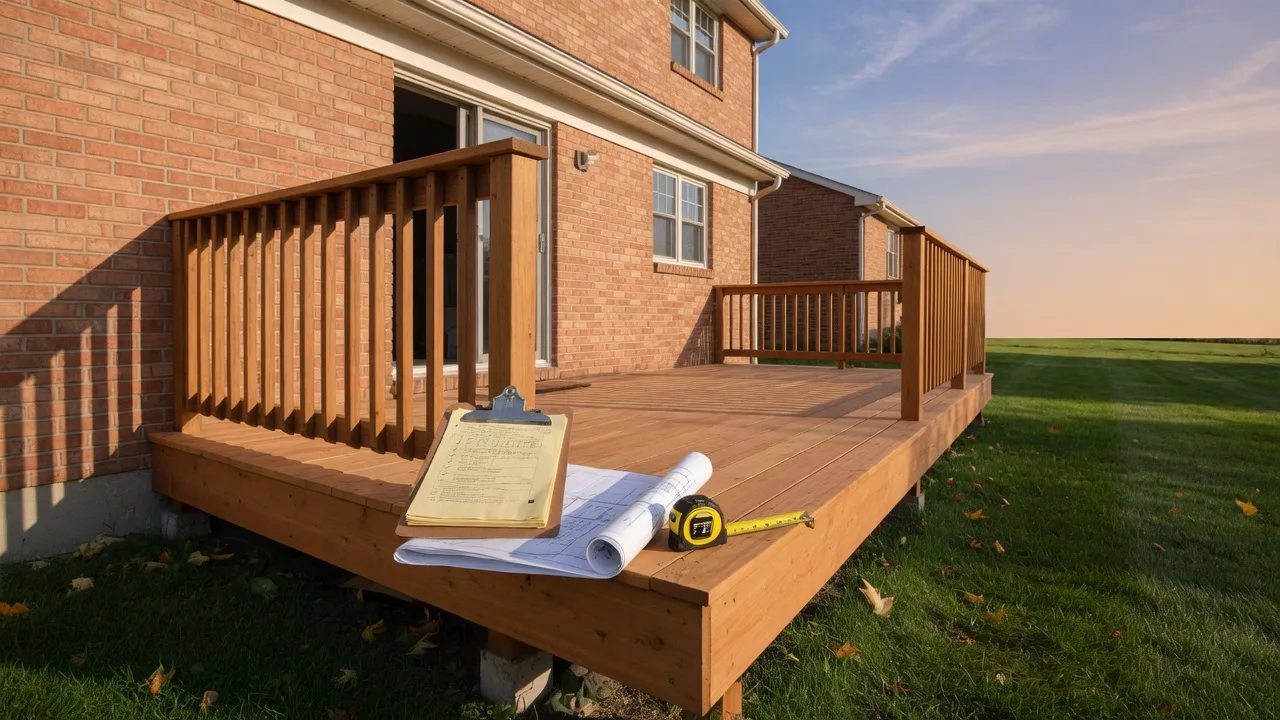
You finished the basement years ago. Maybe you added a deck, or moved a wall to open up the kitchen. Now it's time to sell...and a buyer asks, "Was that permitted?"
That's a fair question. And the state's seller disclosure form asks it too.
Who Issues Permits in Hamilton County?
There is no single Hamilton County permit office. In most cases, the city or town where your home sits handles permits and inspections. Carmel, Fishers, Noblesville and Westfield each have their own building department, with their own forms, fees and online system.
Homes outside city limits usually go through the county. Smaller towns may do their own permits or work with the county. A quick call to your town hall will tell you.
Here is who to call in the county and the area's four largest cities:
- Hamilton County (unincorporated areas): Plan Commission / Building Department, 317-776-8490
- Carmel: Department of Community Services, Building Safety Division, 317-571-2417
- Fishers: Permitting & Inspections, 317-595-3111
- Noblesville: Planning & Development, Building & Inspections, 317-776-6325
- Westfield: Community Development, Building Department, 317-804-3150
What Usually Needs a Permit?
- Additions and new decks
- Finished basements
- Moving or removing walls that hold up the house
- New or changed electrical, plumbing or HVAC
- Detached garages and larger sheds
- Pools
- Fences and driveways (often a zoning permit)
Painting, new flooring and new cabinets usually don't need one. Roofs and windows vary by city, so ask before you start.
Other Things That Come Up in Hamilton County
- HOA approval is often needed first. Many neighborhoods require it before the city will move ahead.
- Contractor registration is required by some cities, even though Indiana has no statewide general contractor license.
- Homeowners can often pull their own permit for their own home. Some cities have extra rules for this.
- Septic, drainage and flood zones can add steps, especially outside city limits.
- Call 811 before any digging.
What the Indiana Disclosure Form Asks
Indiana sellers of one-to-four unit homes fill out a state disclosure form before a buyer's offer is accepted. It asks whether major work was done without a required permit. It also asks about code violations.
"Have there been any substantial additions or alterations made without a required building permit?"
That word "substantial" leaves a lot of room for interpretation.
Keep these things in mind:
- Answer from what you know. If you truly don't know, mark "unknown."
- Report what you know, even if you learned it from a past owner or an inspector.
- If something changes before closing, tell the buyer in writing.
Honest answers protect you. Surprises found later can lead to hard talks, and sometimes legal trouble.
What Can Happen If Work Wasn't Permitted?
Let's start with the question I hear most: "Will they make me tear out my drywall?"
Maybe. Inspectors check electrical, plumbing and framing before the walls are closed up. If the walls are already finished, they can't see what's behind them. Some cities may ask you to open the wall. Others may accept a few small inspection holes, photos, or a letter from a licensed contractor. It depends on the city and the kind of work. Call the building department before you touch a hammer. Many homeowners fear the worst and end up tearing out more than they needed to.
There are other things to think about too. Permit fees for work done after the fact are often higher. If the work doesn't meet code, it may need to be fixed. And the biggest reason for permits is safety. Poor wiring or plumbing can cause fires and leaks, and nobody wants that.
Insurance can come into play as well. After a fire or water damage, an insurance company may push back on a claim tied to unpermitted work.
Then there's the sale itself. Appraisers may not count unpermitted space, like a finished basement or an addition. Some lenders get nervous. Buyers may ask for a lower price, ask you to make repairs, or walk away. And if you know about the work and answer "no" on the disclosure form, that can cause legal trouble after closing.
Don't Panic. Here's What to Do.
This happens more than you'd think! Start here:
- Call your city or town building department and ask what permits are on file.
- Check your papers for contractor invoices and old permits.
- Ask if you can get a permit after the work is done. Many places allow it. They may want to inspect the work.
- Talk with your Realtor before you list.
- Ask a real estate attorney about your situation.
You have choices. You can get the work permitted and inspected before you list. You can price the home with the issue in mind. Or you can sell as-is to a buyer who is comfortable with it (cash buyers sometimes are).
The best time to find out is before you list. Surprises in the middle of a sale cost more, in time and in stress.
Thinking About Selling?
I'm a Realtor, not an attorney. But I can help you plan ahead so nothing catches you off guard. Call or text me, and we'll look at your home together.
Let me know if you have any questions!